
Resources


Plein Air Painting – Exploring Mediterranea

Plein Air painting is the art of painting outdoors where artists can connect directly with the natural world.
Helpful Links:
Educators
Tennessee Social Studies Standards
Tennessee English Language Arts Standards
About
BACKGROUND
Plein Air painting is the art of painting outdoors where artists can connect directly with the natural world. Some artists paint this way in their own communities while others paint this way while traveling in order to capture their experiences in other countries. Often the artists would make sketches outdoors and then complete their final paintings in the studio. While this practice has been popular for centuries, it was particularly important for many Impressionist artists such as those featured in the exhibition Mediterranea: American art from the Graham D. Williford Collection.


Activity
Make a plein air painting in an outdoor space where you can observe the environment you are in and capture it on canvas. This can be done during class time on the school campus or even in/around the school, or a preliminary sketch can be done at home/outside school and brought back to be finished in class.
INSTRUCTIONS
1. Find a space (either outside in nature or looking out a window) where students can sit for a minimum of 30 minutes, focused and connected. While there, they will be observing and drawing what they see.
2. Have students use a pencil to quickly sketch in the major compositional elements of their paintings—the horizon line, large objects, any architectural elements, and large natural formations. These should not be detailed sketches but lines and shapes to create an outline of how everything fits together.
3. Younger students should be encouraged to trace their composition with permanent marker to capture more concrete shapes, lines, and contours before painting.
4. Have students choose lighter colors (mixed with white) for the areas where there is more light. Students should paint in the highlights of the composition first—focusing on where the light is shining and the colors they see in those highlighted areas. Remind them to wipe and wash their brushes completely between colors so the colors don’t get muddy.
5. Now students can choose darker colors to paint in the shadows. They can add pops of color where they see them and allow their brush strokes to be loose, in the Impressionist style.
6. Use several sessions in the same space, if possible, to see how perception of the space changes and to encourage looser, more relaxed and confident painting (rather than feeling like every brush stroke needs to be perfect! Artists often revisit the same spaces over and over again, learning new things with continued looking!)
7. Display and share completed work. Take photos to share. Discuss individual experiences and observations in the spaces while painting.
8. Tag #huntermuseum if sharing on social media!
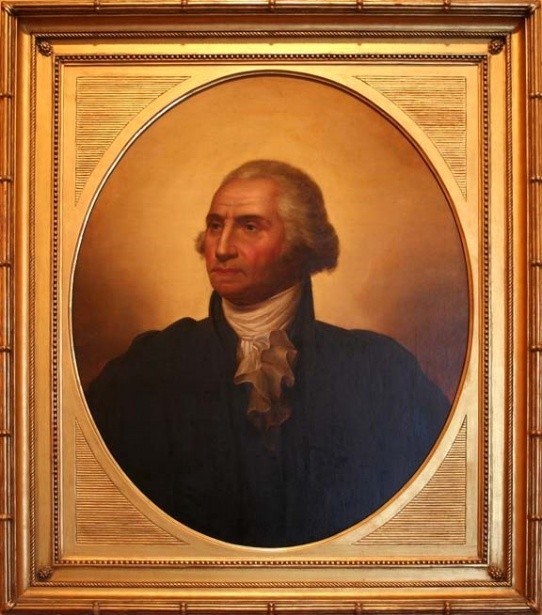
Located in Gallery 1
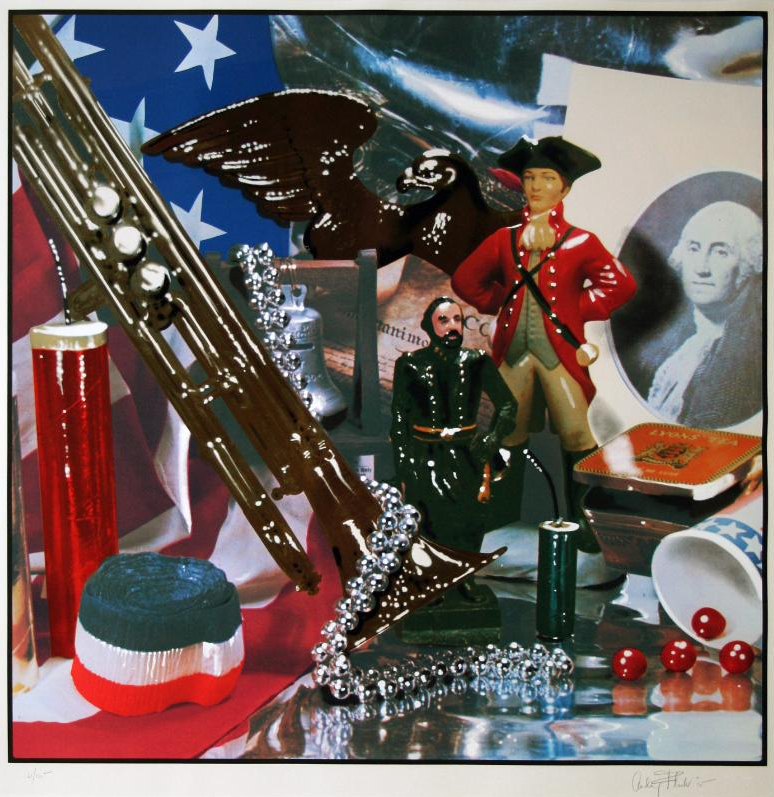
I wonder... Does this look familiar to you?
Many of George Washington’s portraits and profiles look the same. Take a look at a selection of George Washington’s portraits at the National Portrait Gallery in Washington, D.C. Washington Everywhere | National Portrait Gallery
Why do you think so may artists would use the same image over and over again? How did this contribute to new Americans learning about the founding of the United States?
Think of other portraits you have seen and look at other images below—what does each one tell us about the person featured? What has the artist shared with us about the subject of the painting?
SSP.01 Gather information from a variety of sources
SSP.05 Develop historical awareness by: Sequencing past, present, and future in chronological order and Understanding that things change over time
SS.4.08 Determine the importance of different groups to the American Revolution
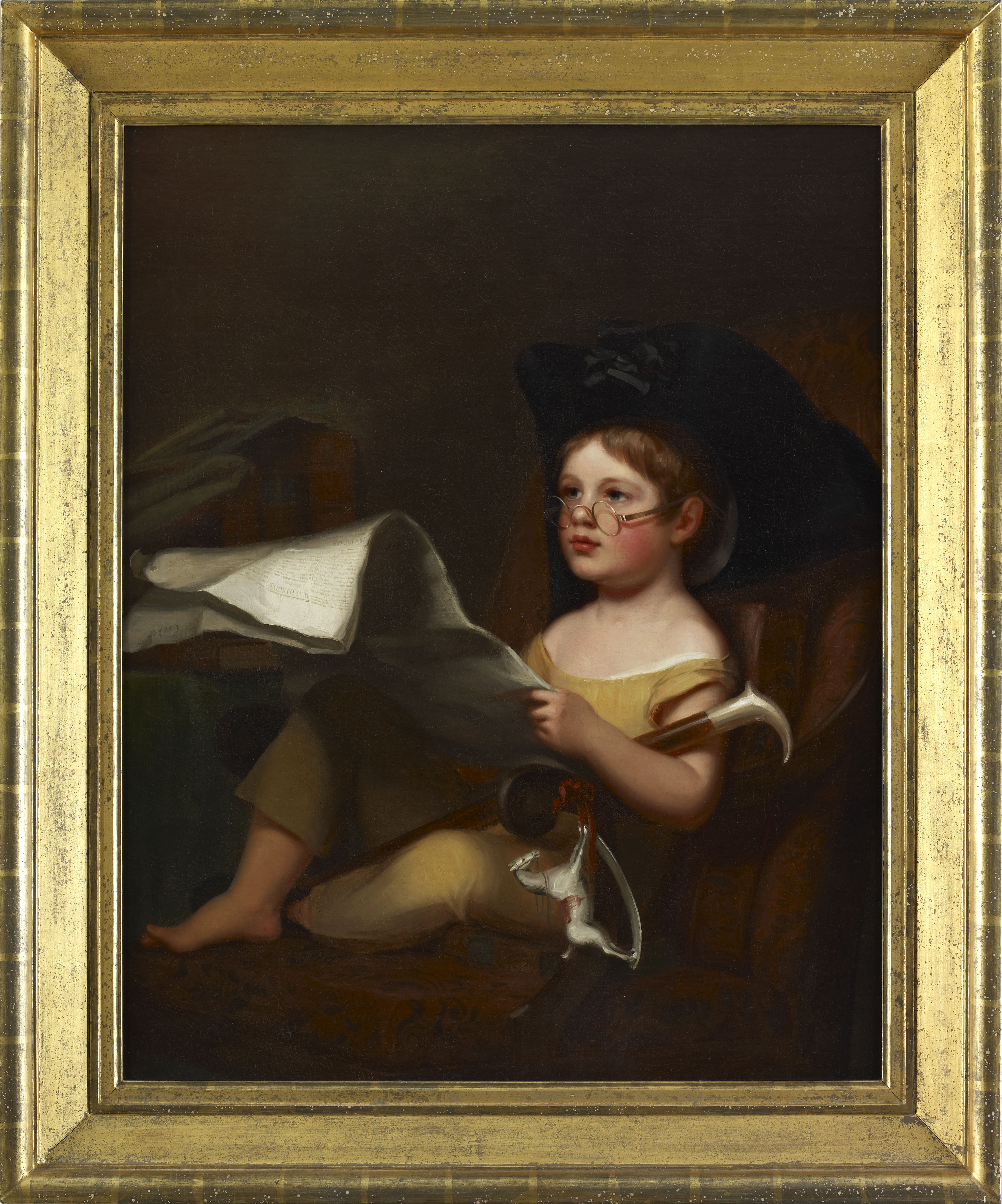
Located in Gallery 1

Located in Gallery 1
Pre-cut watercolor paper (5x7)
Pencils
Permanent fine tip markers or pens (various colors if available)
Watercolor paint
Brushes
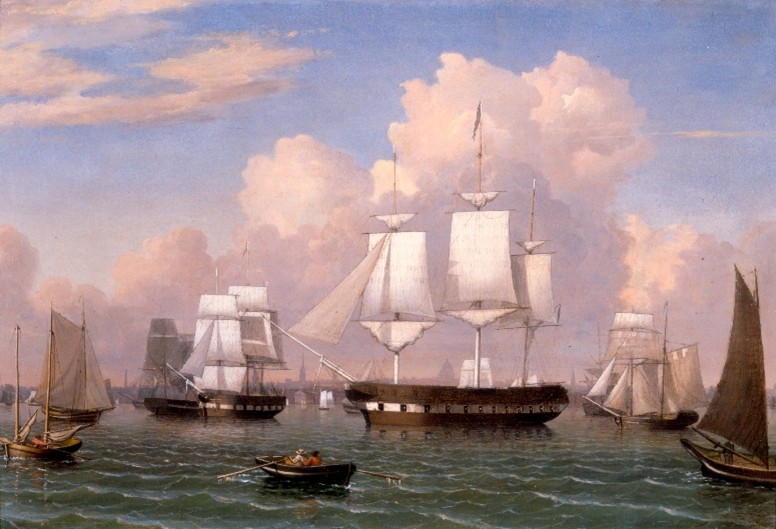
Located in Gallery 1
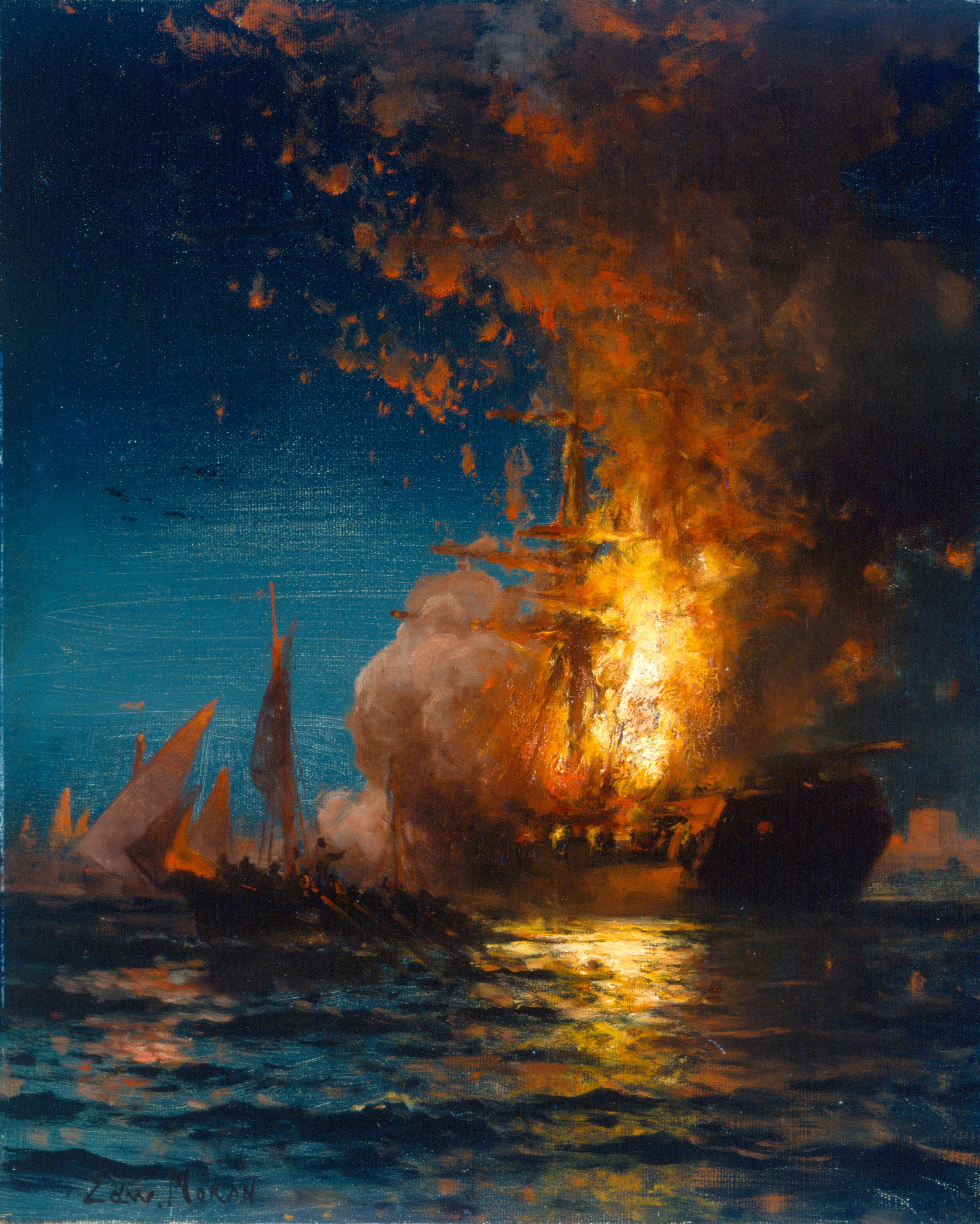
Located in Gallery 1
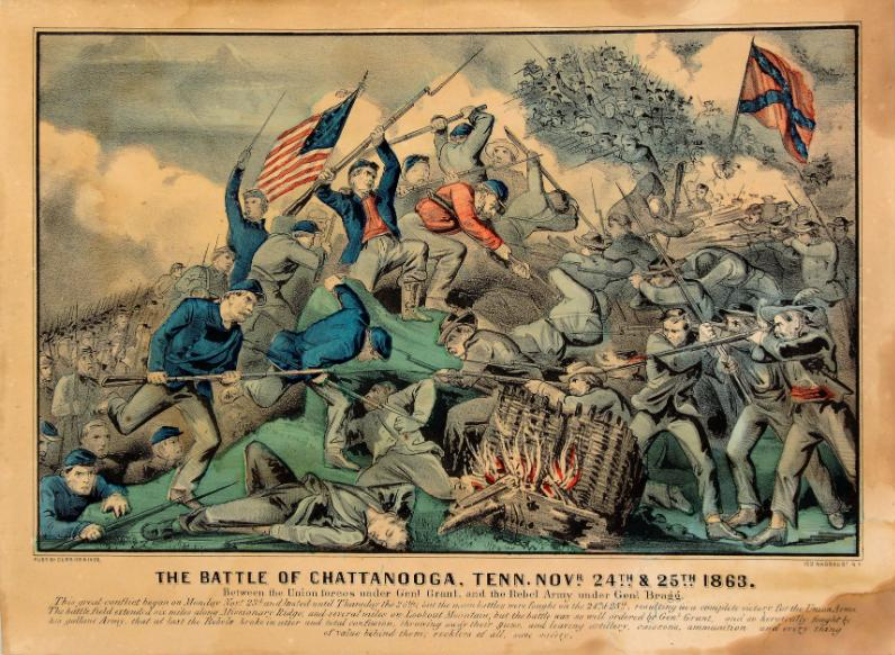
Not on view
Something to consider: STEM Connection
Artists were key players in documenting conflicts both to share with the public and to create a record of events. Do some research about the methods used in the artworks from the Hunter Museum. How would an etching or lithograph reach a different group of people than a painting? How would these inventions (and others like photography and film) affect the ways in which Americans learned about and responded to conflict?
SSP.01 Gather information from a variety of sources, including media and technology sources
Why did American and other artists travel to Europe, particularly the Mediterranean region, to paint?
How did the works these artists made influence people in the United States and their travel patterns?
What landmarks and subject matter did the artists in the exhibition Mediterranea focus on?
If you were documenting the place where you live, what would you focus on? How might that be the same or different if you were traveling and visiting someplace new?
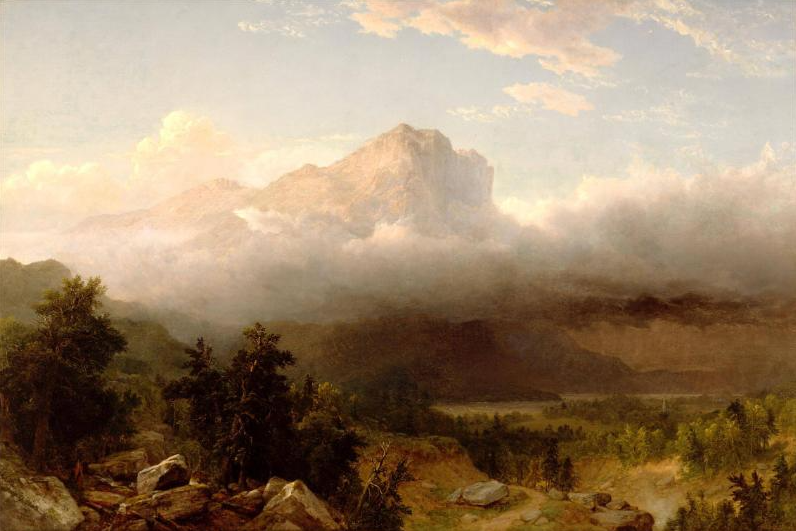
Located in Gallery 4
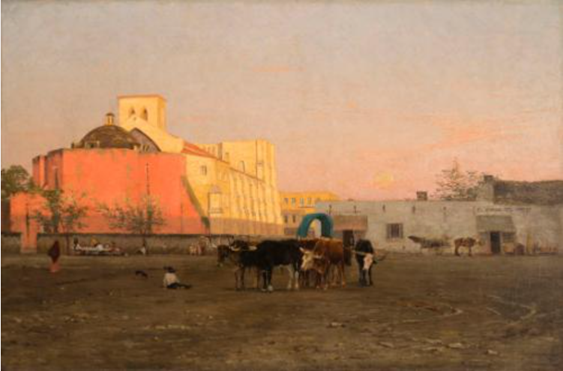
Located in Gallery 4
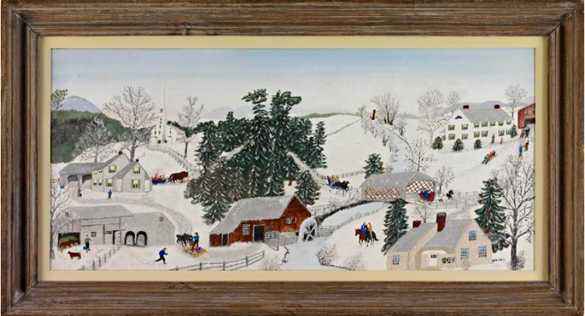
Located in Gallery 14
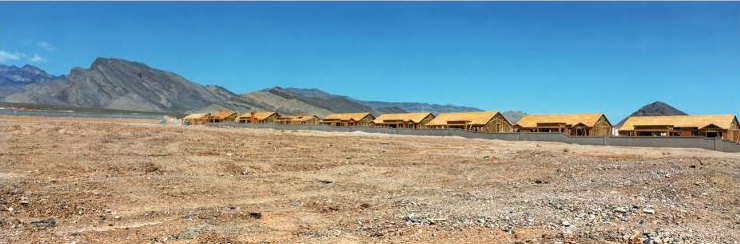
Art can be an expression of identity and culture. Some communities have had these important personal representations threatened because they were different or were in opposition to new ideas being brought by expanding frontiers.
Look at the following 3 artworks that respond to the impact on the people and the land during the Westward Expansion of the United States.
Consider: what emotions do you see represented? Can you find examples of how it felt to lose something very important? Can you also find examples of resilience? What symbols, colors, and details did the artist use to share these emotions?
SS.3.22 Examine how American Indian cultures changed as a result of contact with European cultures, including: decreased population, spread of disease (smallpox), increased conflict, loss of territory, and increase in trade.

Located in Gallery 5
Located in Gallery 5
Located in Gallery 5
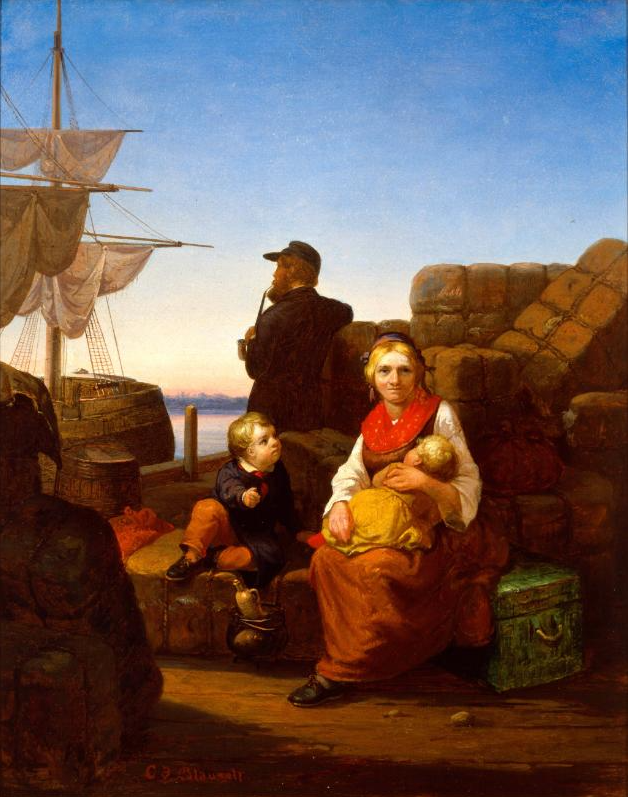
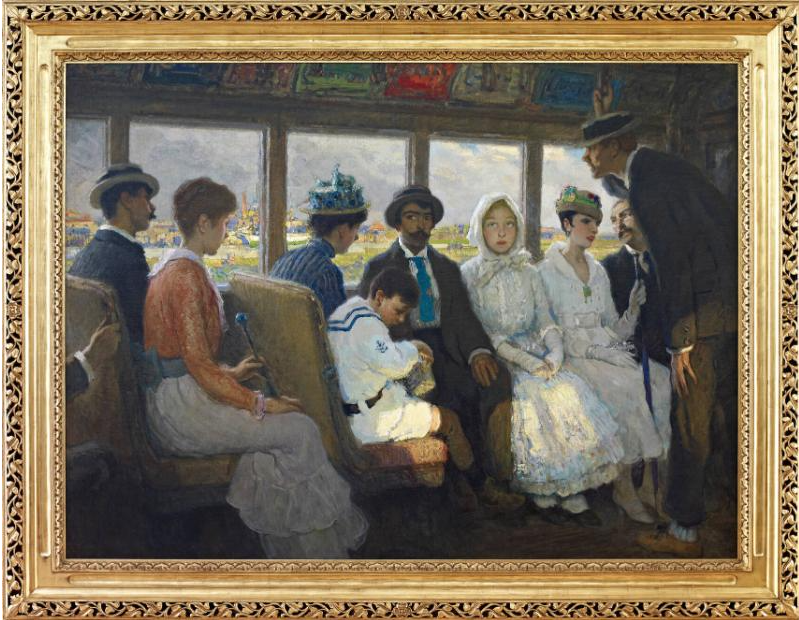
Cities also expanded rapidly during the mid 19th century. People came to the United States from all over the world! In cities like New York, many diverse groups of people lived very close together. Trains, trolleys, and streets showcased the many ways lives overlapped.
Look at the images below: Find people who are working, resting, excited, nervous, and confident. What are they doing? Where do you think they are going?
SSP.03 Organize data from a variety of sources in order to: Compare and contrast multiple sources, Recognize differences between multiple accounts, and Frame appropriate questions for further investigation
R.1. Cornerstone Read closely to determine what a text says explicitly and to make logical inferences from it; cite specific textual evidence when writing or speaking to support conclusions drawn from the text.
Located in Gallery 3

Located in Gallery 12
Located in Gallery 14

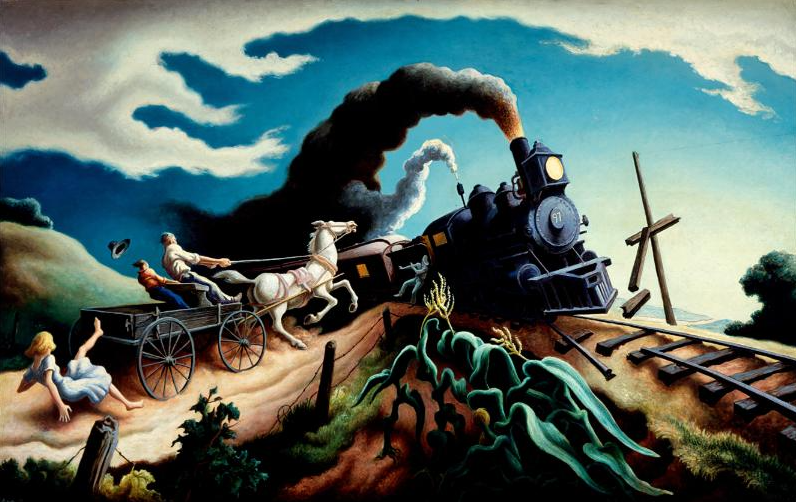
Listen to the song Poor Old Joe by Paul Robeson, a renowned singer during the early 1900s and the Harlem Renaissance. During the Great Migration, many African Americans travelled to cities in the North in search of new opportunities and equality while others remained and worked in agriculture in the South. How do the lyrics connect to the artwork?*
*This is an artwork about migration by someone who was an immigrant (rather than a migrant) but has overlapping themes for both experiences as discussed above
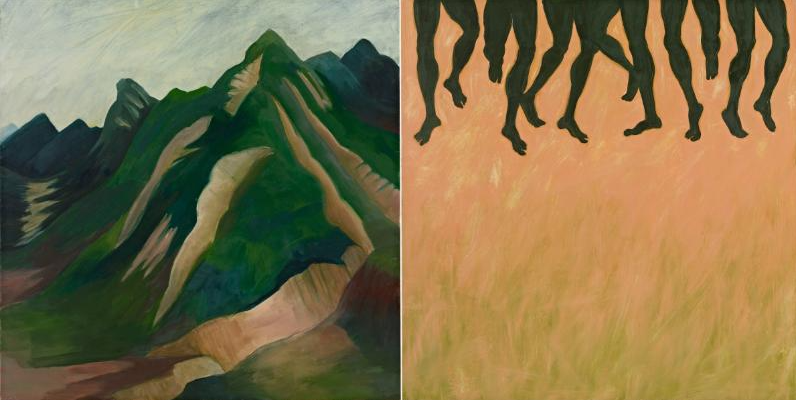
Left: Hung Liu (1948-2021), I Hear Their Gentle Voice Calling, 2017, mixed media, multi-layer resin, 82 x 82 in. Toledo Museum of Art. Purchased with funds from the Libbey Endowment, Gift of Edward Drummond Libbey.
Located in Gallery 12

Located in Gallery 15
Activity: What Were They Thinking?
Immerse yourself in the world of Reginald Marsh's Subway - 14th Street and consider the variety of intersecting lives featured in the painting. Using the attached guide, write what do you think these New York City subway-goers were thinking at that moment in time.
Download activity
Immigrants have been crucial in shaping American history and culture. Many of America’s most celebrated artists were immigrants or the children of immigrants who chose to build their lives in the U.S.

Located in Gallery 18

Located in Gallery 18
Look at the artworks above and at left: Think about how these two artists combine images from American culture with historical Japanese and Korean art to create something new.
Located in Gallery 1
Activity: Celebration Flag
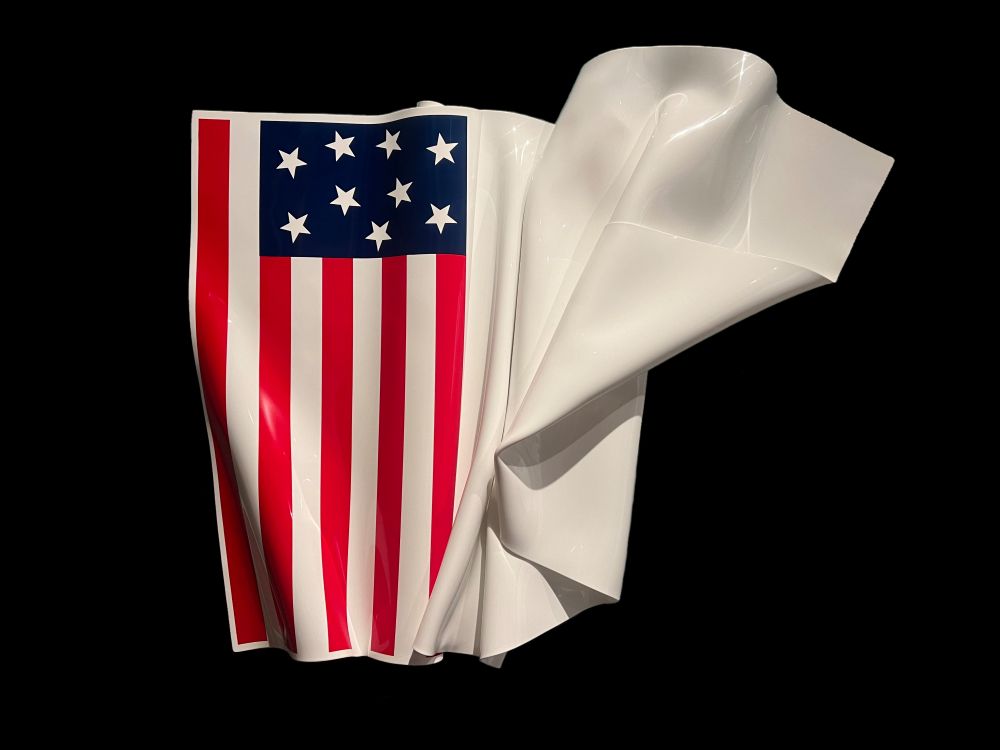
Mimi Herbert left half of the work Celebration Flag blank, suggesting an opportunity for viewers to add their own ideas to complete the flag. Flags are used to identify a place using colors and symbols—The United States flag uses 50 stars for the 50 states, 13 stripes for the 13 original colonies, blue for justice, red for valor and bravery, and white for purity and innocence. Use the blank space provided in the activity below to share how you would complete Mimi’s flag.
Located in Gallery 13
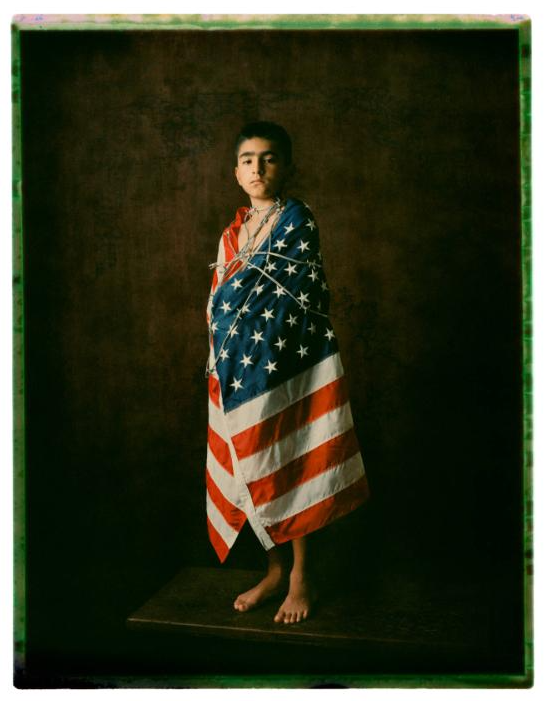
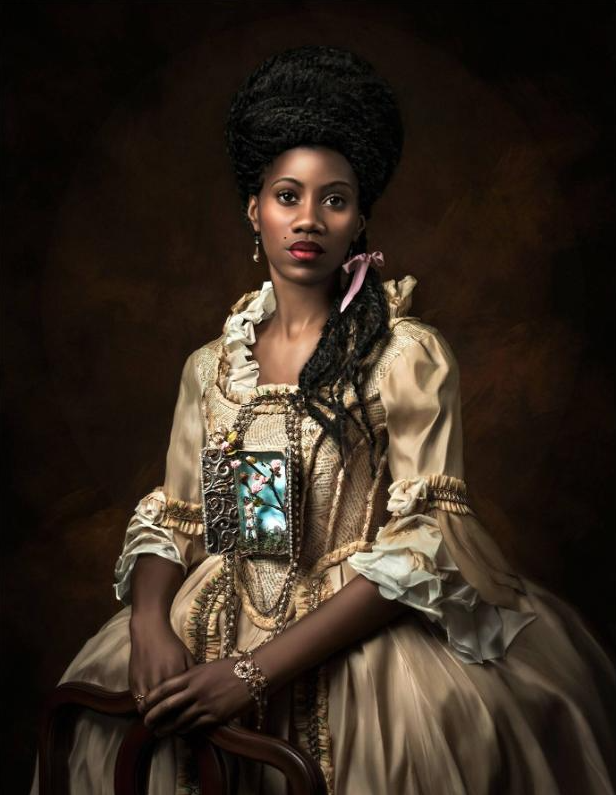
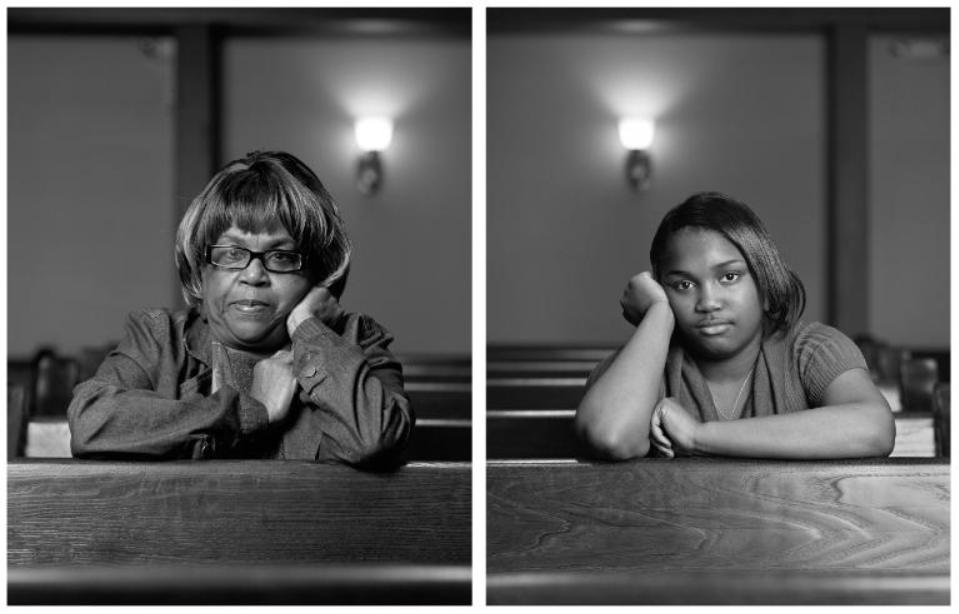
Contemporary art continues to address themes of identity, conflict, movement and our changing world. Contemporary can be defined as “right now.” All artwork is contemporary at the time it is made and reflects the social, political and personal impacts of the artist’s environment. Look at the works below. How do these artworks reflect on history as well as the “right now”?
Not on view
Not on view
Not on view

